

Hypermobility & Joint Instability
In Bend, OR
If you’ve always been “extra flexible,” double-jointed, or prone to joints that click, shift, or feel unstable, your body may need a different approach to chiropractic care
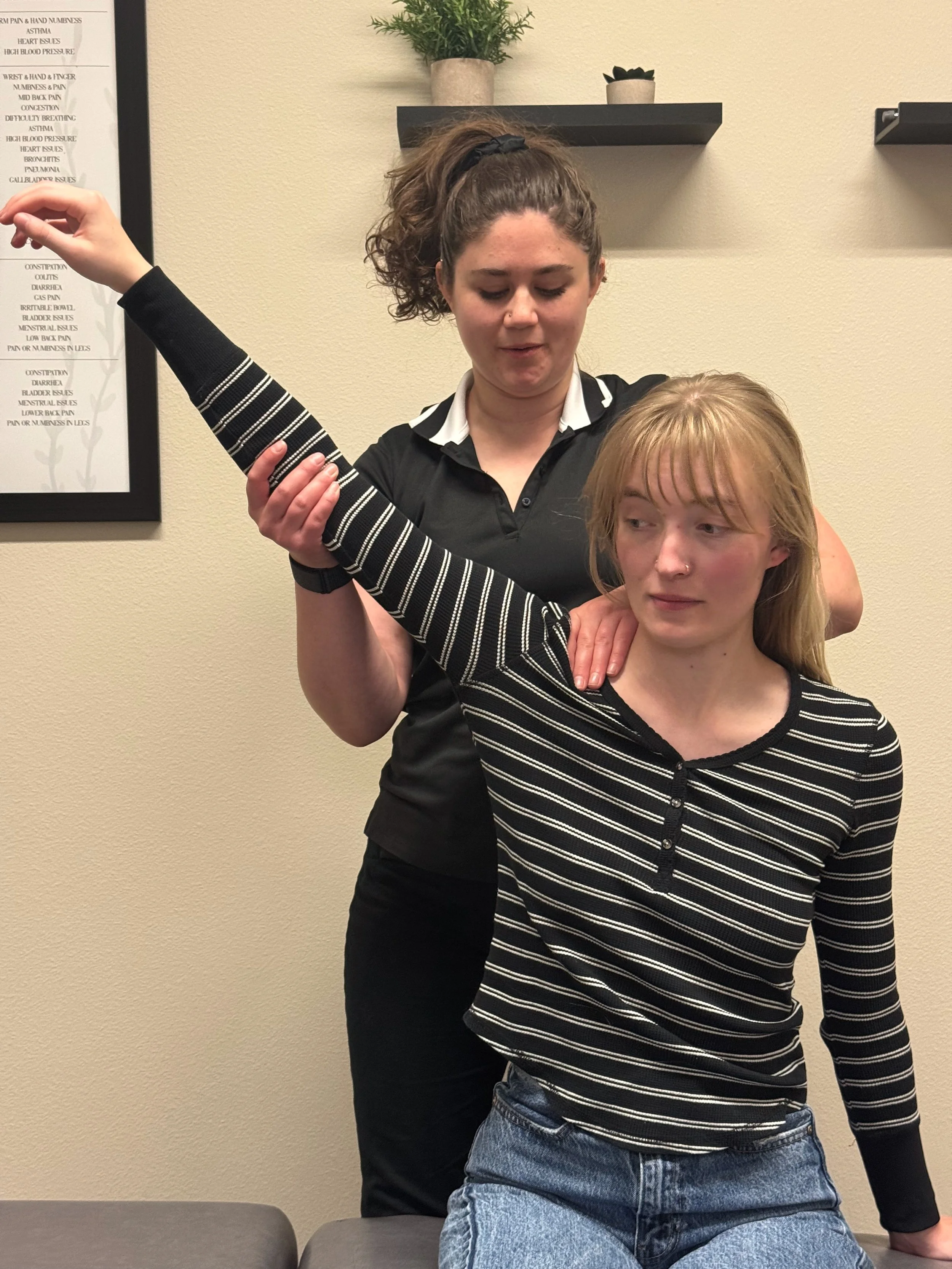
Understanding Hypermobility
Hypermobility means that one or more joints move beyond the typical range of motion. Some people are naturally flexible without symptoms, while others experience ongoing discomfort, instability, muscle tension, fatigue, or recurring strain.
You may have heard terms like:
“Double-jointed”
Hypermobile joints
Generalized joint hypermobility
Connective tissue laxity
Ehlers-Danlos Syndrome (EDS)
Joint instability
Why Hypermobility Can Feel Painful
When joints move more than they should, the muscles surrounding them often work overtime to create stability. This can lead to:
Muscle guarding
Chronic tightness
Fatigue
Irritation from repeated strain
Stress on supportive tissues
In hypermobile bodies, tension is not always caused by “tight joints.”
Sometimes the body is tightening muscles in an attempt to protect unstable areas.
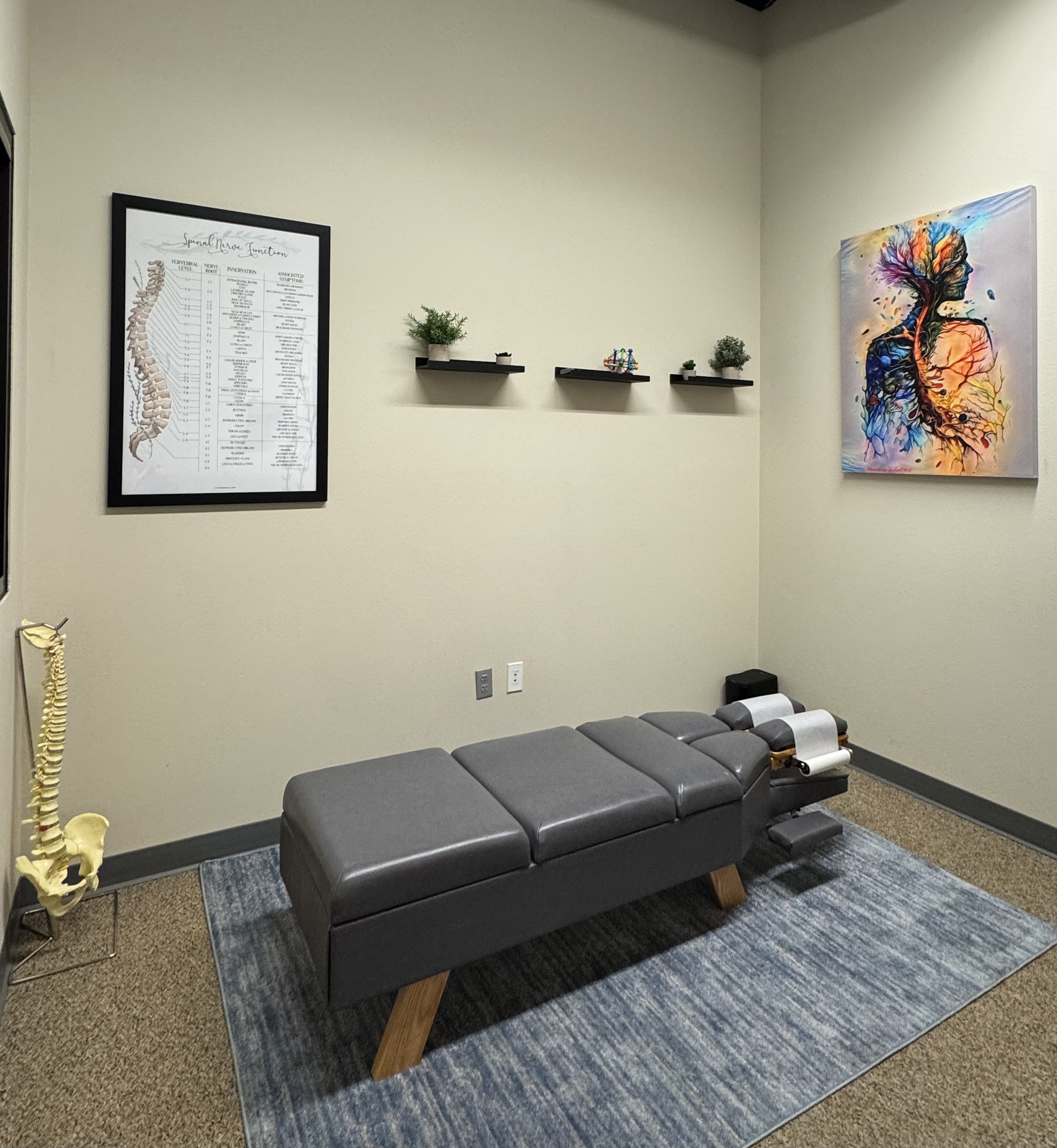
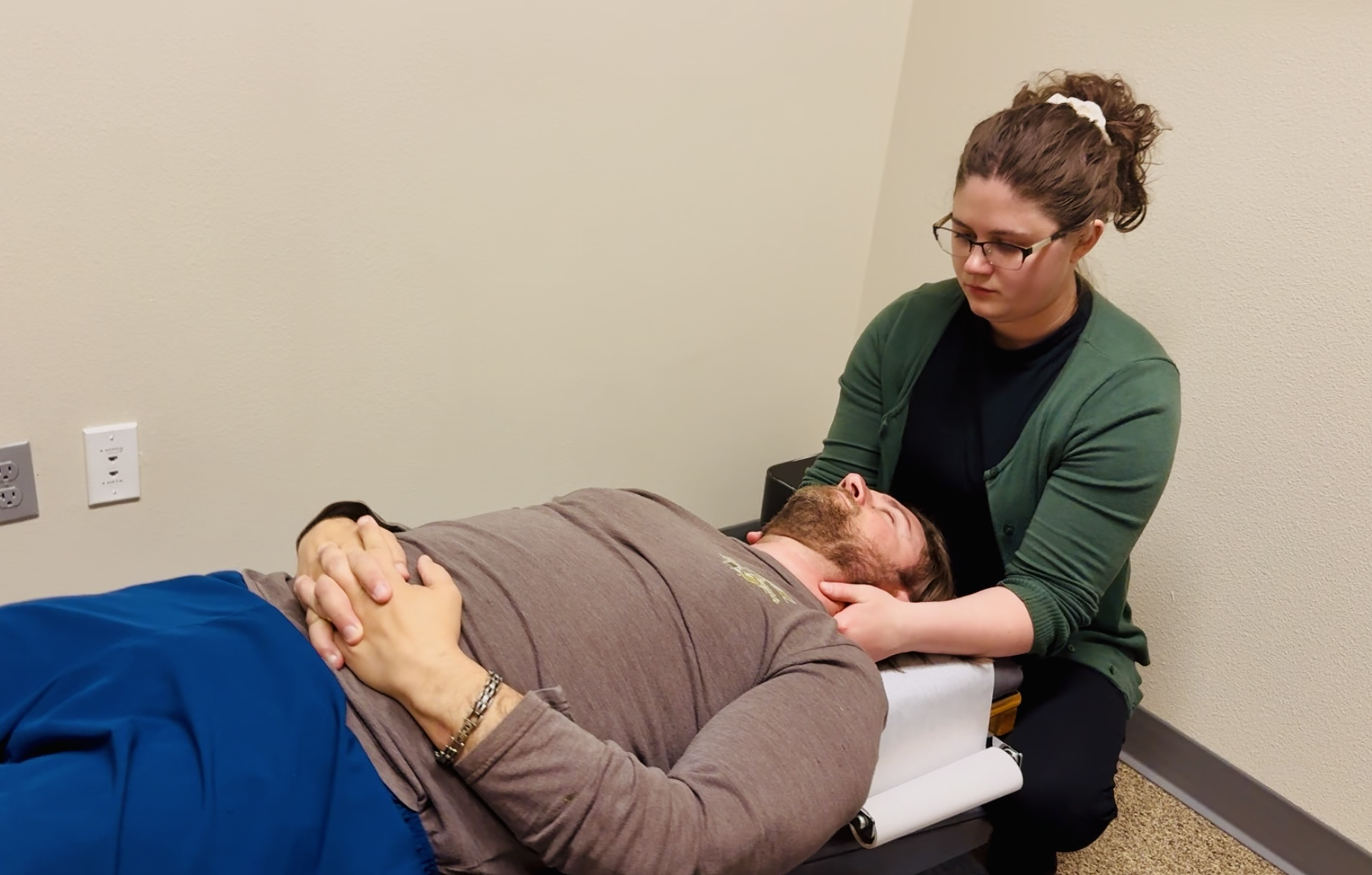
That’s why a gentle, individualized approach matters.
Common Signs of Hypermobility
Frequent Joint Popping
or Clicking

Feeling “Loose”
or Unstable
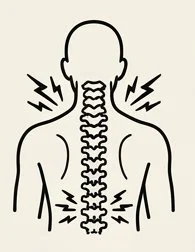
Recurring Back
or Neck Tension

Muscle Tightness Despite
Being Flexible
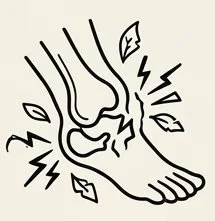
Repeated Strains
or Sprains

Poor Posture or Fatigue with Prolonged Sitting

Tension Headaches

Difficulty Feeling Stable During Exercise
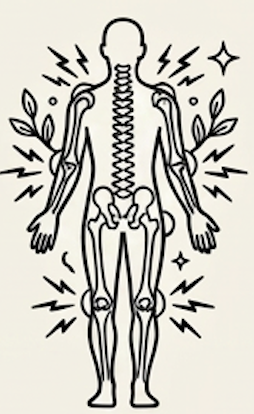
Chronic Stress Held Physically in the Body
Many people live with hypermobility for years before realizing their symptoms are connected.
Ready to Start Care?
Our approach
A different kind of chiropractic care
Hypermobile joints already move more than average, so traditional high-force adjustment isn't always appropriate. At Vitality Chiropractic, care is tailored to your individual presentation.
Is this right for you?
You may be in the right place if…
Our approach tends to resonate with people who've felt dismissed, over-adjusted, or simply unseen by more conventional care.
You're looking for
- Gentle, low-force adjustments
- Hypermobility-aware chiropractic
- Support for chronic muscle tension
- Posture & ergonomic guidance
- Nervous-system-aware care
- A more personalized experience
You might be
- Living with hypermobile joints
- Sensitive to forceful treatment
- Neurodivergent seeking gentler care
- An active adult balancing flexibility & stability
- Carrying chronic tension patterns
- Navigating an EDS diagnosis
Ready to Start Care?
FAQs
Can you adjust someone with Hypermobility?
Yes, in some cases. Hypermobility does not automatically mean chiropractic care is inappropriate, but technique selection matters. Because hypermobile joints already move more than average, care often looks different than a traditional high-force approach. We begin with a thorough exam and health history to determine whether chiropractic care is appropriate and how to tailor it to your needs.
Is Chiropractic safe for Hypermobility?
Safety depends on the individual, which is why assessment and clinical judgment are essential. Factors such as your symptoms, health history, joint stability, comfort level, and overall presentation help guide care decisions. When chiropractic care is appropriate, techniques should be adapted to the individual rather than using a one-size-fits-all approach.
Do you treat Ehlers-Danlos?
Chiropractors do not treat genetic connective tissue disorders. However, some people with hypermobility or EDS seek supportive musculoskeletal care for mobility, posture, tension, and joint-related discomfort.