

Back Pain & Sciatica
in Bend, OR
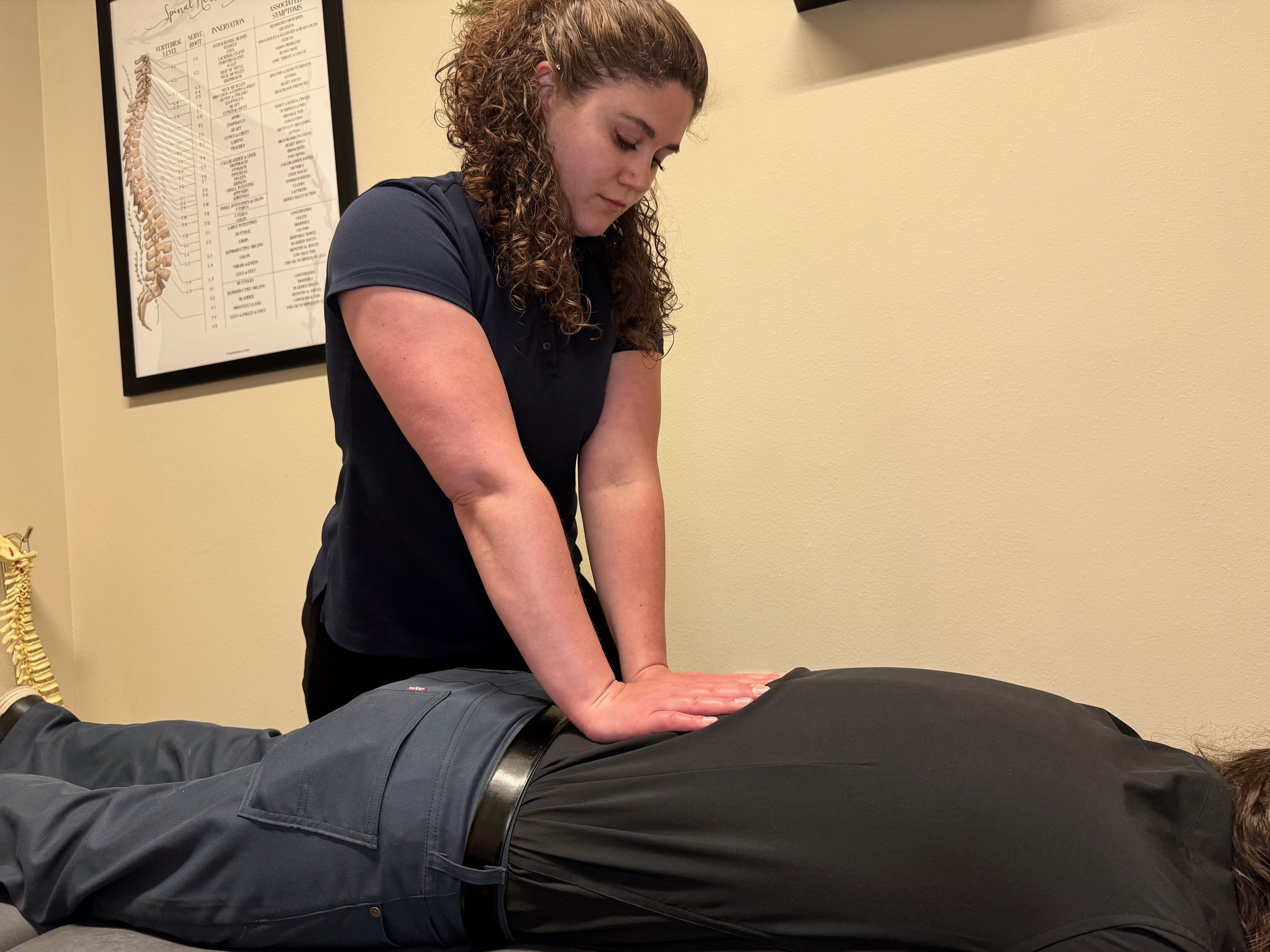
Back pain can make even simple things feel harder, like sitting through a workday, getting comfortable at night, lifting groceries, exercising, or just moving through your day without constantly thinking about your body.
What Causes Back Pain?
Back pain can happen for many different reasons. For many people, back pain develops gradually rather than from one obvious event.
Common contributors may include:
Prolonged sitting or desk work
Posture-related strain
Repetitive lifting or movement patterns
Muscle tension or guarding
Previous strain or injury
Hypermobility-related compensation patterns
Joint irritation or movement dysfunction
Physical deconditioning
Sometimes the issue is less about a single structure and more about how movement habits, muscle tension, posture, and daily stress patterns interact over time.
What Is Sciatica?
Sciatica describes symptoms that typically involve irritation or sensitivity along the sciatic nerve pathway.
This may feel like:
Low back pain with symptoms that travel into the glute, hip, or leg
Burning, tingling, or shooting discomfort
Heaviness or tightness in the leg
Symptoms that worsen with prolonged sitting
Discomfort that changes with movement or position
Common Signs Stress & Posture are Playing a Role
Lower back feels stiff after sitting
Getting up from your desk feels uncomfortable
Back pain flares after stress or long workdays
You constantly stretch but never feel lasting relief
Bending, lifting, or twisting feel harder than they should
Your back feels tight, guarded, or easily aggravated
Certain positions make symptoms worse
A Gentler Approach to Back Pain & Sciatica Care
If your back already feels tense, guarded, sensitive, or easily aggravated, forceful care may not feel like the right fit.
At Vitality Chiropractic, care is tailored to you and may include:
Evaluation of posture, muscle tension, and movement restrictions, especially those relating to your back and pelvis
Gentle chiropractic care that always takes your comfort level and presentation into consideration
Craniosacral therapy techniques to help calm the nervous system
Soft tissue work to relax tense muscles, especially those in your back
Personalized home care recommendations (such as stretches and exercises) to support you and your adjustments
Collaborative referral when necessary
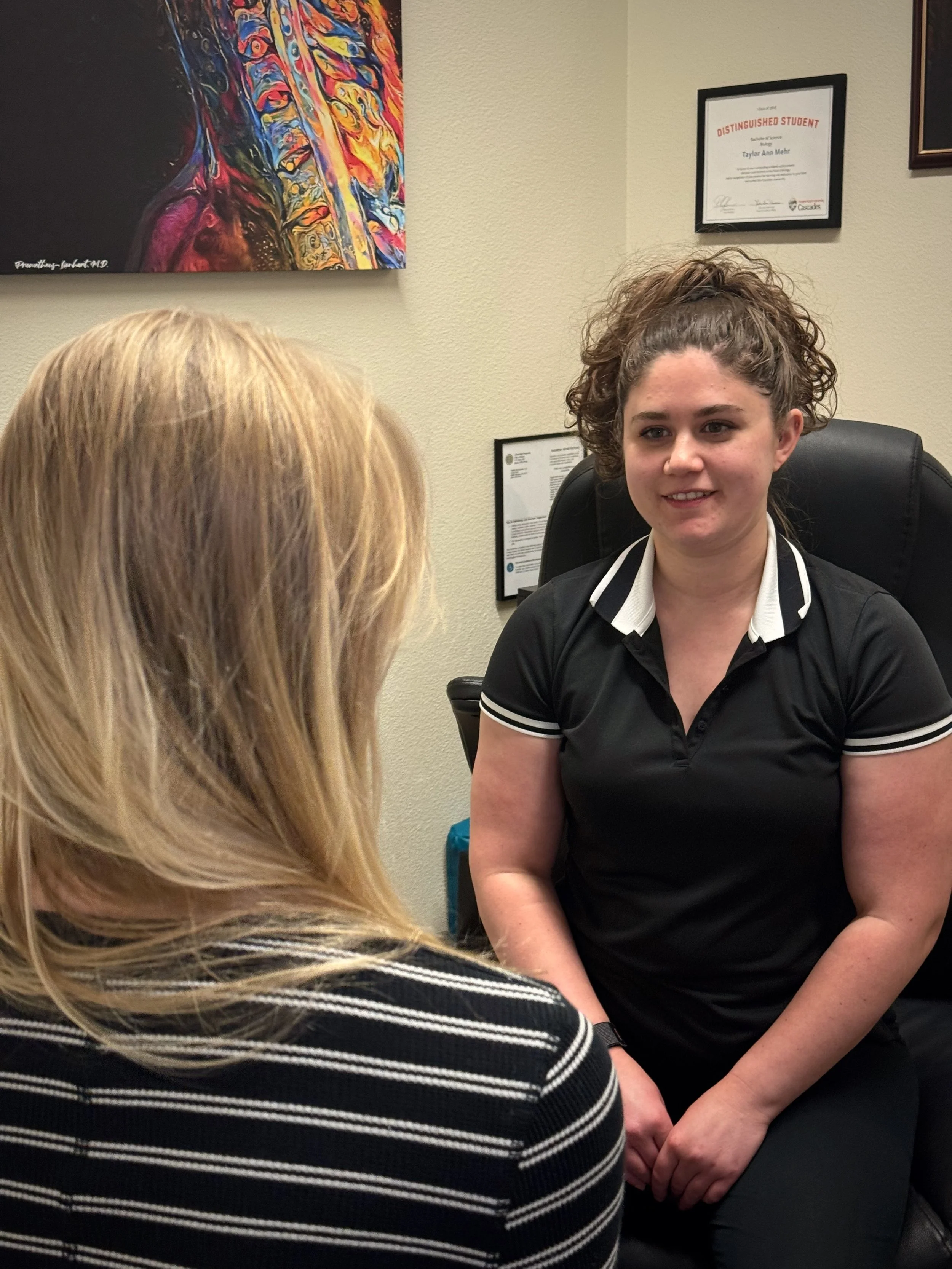
You may be in the right place if…
You’re looking for
Support for back pain and sciatica-related discomfort
Gentle, low-force adjustments
Posture & ergonomic guidance
Nervous-system-aware care
A more personalized experience
You might be
Sensory sensitivity and looking for less chaotic, one-on-one care
Sensitive to forceful treatment approaches
Spending long hours at a desk
Physically “wound up”
Carrying chronic tension patterns
Hypermobile and struggling with related tension
Ready to Start Care?
FAQs
Can chiropractic help with back pain?
Chiropractic care may be appropriate for many types of back pain involving joint dysfunction, muscle tension, posture-related strain, or movement limitations. A thorough evaluation helps determine whether chiropractic care is appropriate for your specific presentation
Can chiropractic help with sciatica?
Sciatica describes a symptom pattern rather than a single diagnosis, and symptoms can have different causes. Chiropractic evaluation may help identify whether movement dysfunction, joint irritation, posture-related strain, muscle tension, or other physical contributors may be playing a role in your symptoms.
What if I’m sensitive to forceful adjustments?
That concern is more common than you might think—especially among patients whose bodies already feel tense or physically overloaded. If chiropractic care is appropriate, we take a gentle, individualized approach designed around your comfort level, history, and clinical needs.