

Chronic Stress & Tension
in Bend, OR
When life feels overwhelming, stress often shows up in the body. If you have tight shoulders, tension headaches, shallow breathing, neck stiffness that never fully goes away, clench your jaw, or feel like your body can never fully relax, you may be suffering from chronic stress and tension.

Understanding Chronic Stress
Stress is a normal physiological response, but chronic stress can keep muscles in a near-constant state of guardedness, which can contribute to pain and tension over time.
Signs Stress May Be Showing Up in Your Body
Persistent neck or shoulder tightness
Upper back tension
Jaw tension or clenching
Frequent tension headaches
Feeling physically “wound up”
Difficulty relaxing
Posture that feels collapsed or guarded
Shallow chest breathing
Recurring muscle tightness despite stretching
Waking up feeling tense
If this sounds familiar, your body may be responding to ongoing stress patterns, not just isolated muscle strain.
Chronic stress can contribute to:
Ongoing tightness
Movement restrictions and discomfort
Tension headaches
Postural strain
Jaw discomfort
Fatigue from constant muscular effort
Many people don’t immediately realize the connection between chronic stress and physical symptoms.
A different kind of chiropractic care
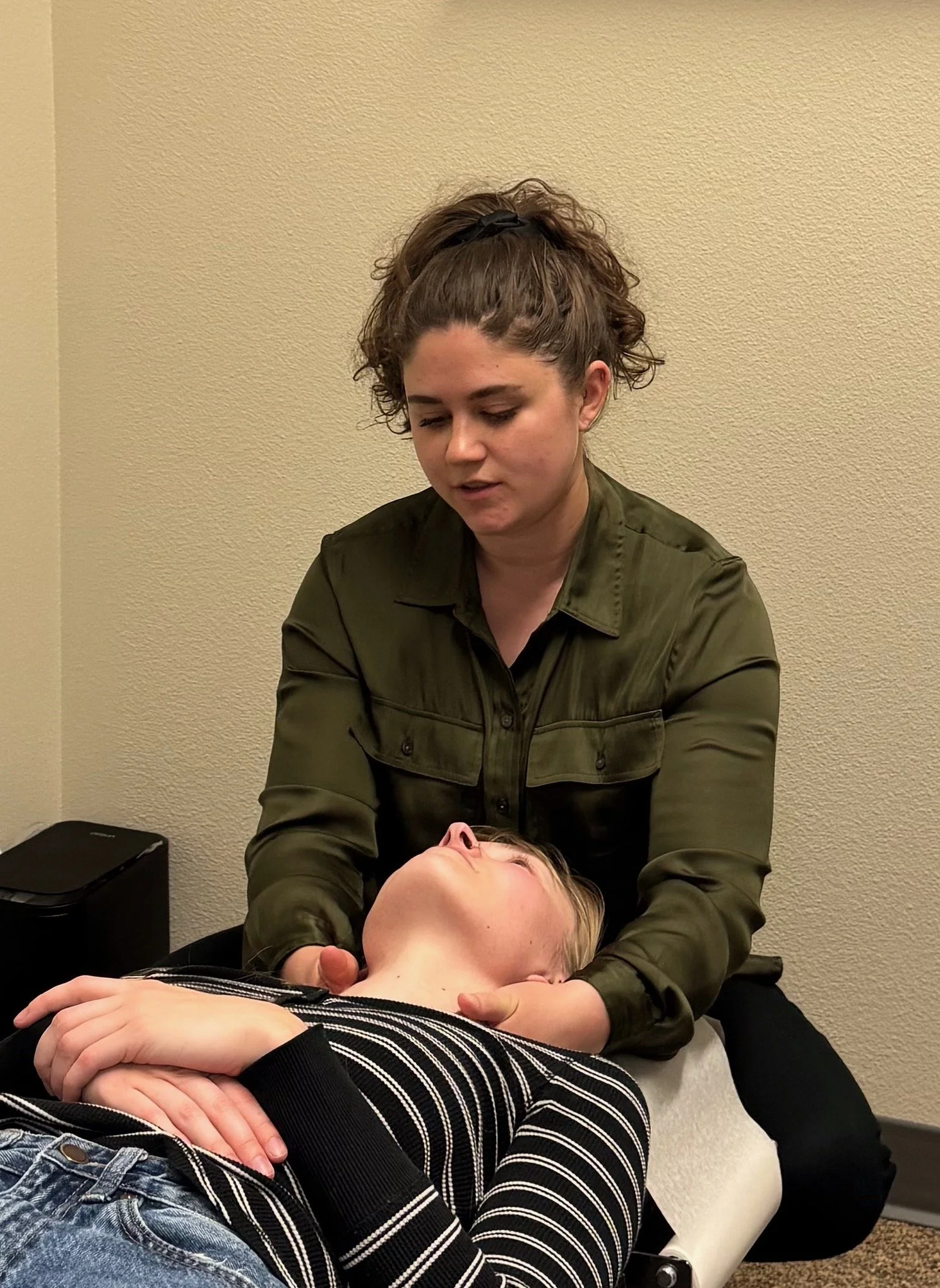
If your body already feels physically overloaded, forceful care may not feel like the right fit. At Vitality Chiropractic, we provide gentle, individualized care that may include:
Evaluation of muscle tension, posture, and movement restrictions
Gentle chiropractic care that always takes your comfort level and presentation into consideration
Craniosacral therapy techniques to help calm the nervous system
Soft tissue work to relax tense muscles
Personalized home care recommendations (such as stretches and exercises) to support you and your adjustments
Collaborative referral when necessary
You may be in the right place if…
You might be
Sensory sensitivity and looking for less chaotic, one-on-one care
Sensitive to forceful treatment approaches
Spending long hours at a desk
Experiencing “stress overload”
Physically “wound up”
Carrying chronic tension patterns
Hypermobile and struggling with related tension
You’re looking for
Support for chronic neck, upper back, or shoulder tension
Support for stress-related headaches
Support for jaw tension
Gentle, low-force adjustments
Posture & ergonomic guidance
Nervous-system-aware care
A more personalized experience
Ready to Start Care?
FAQs
Can chiropractic help with stress-related tension?
Do you treat anxiety or mental health conditions?
What if I’m sensitive to forceful adjustments?
Chiropractic care may help support individuals experiencing musculoskeletal tension, posture-related discomfort, and physical stress patterns. Whether care is appropriate depends on your health history, symptoms, and goals.
No. Chiropractic care does not treat mental health conditions. Our focus is on the physical manifestations of stress, including muscle tension, posture-related discomfort, and movement limitations.
Many patients seeking care for chronic stress and tension prefer gentler approaches. We tailor care to the individual, comfort level, and clinical presentation.