

Physical Fatigue & Stress-Related Exhaustion
in Bend, OR
Feeling physically fatigued all the time can be frustrating.
For some people, fatigue is tied to sleep, medical conditions, or broader health concerns. For others, it may be closely connected to persistent pain, physical discomfort, stress-related strain, or the constant effort of simply moving through the day in a body that never fully feels at ease.
Why Persistent Discomfort Can Feel So Exhausting
Pain can be physically draining.
When the body is constantly adapting to discomfort, guarding against pain, compensating around movement limitations, or holding unnecessary muscle tension, that ongoing effort can take energy. Over time, even ordinary daily activities may start to feel more physically demanding than they should.
This may be especially true if you experience:
Recurring neck or shoulder discomfort
Jaw clenching
Low back tightness
Posture-related strain
Hypermobility-related compensation patterns
Stress-related muscle guarding
Discomfort that keeps your body feeling “on” all day
For many people, physical fatigue is not simply about sleep or energy—it’s about how much effort the body is using just to manage discomfort.
Why Muscle Tension Can Add to Physical Fatigue
Muscles are meant to contract and relax.
But when the body spends long periods in tension (whether from posture, stress, pain, repetitive movement, or compensation patterns) those muscles may continue working harder than necessary.
Over time, that can feel physically exhausting. Persistent muscle guarding, inefficient movement patterns, and physical stress can all contribute to a sense of heaviness, depletion, or feeling like your body is constantly working harder than it should.
A Gentler Approach to Physical Fatigue & Stress-Related Discomfort
If your body already feels physically depleted, tense, or easily overwhelmed, forceful care may not feel like the right fit.
At Vitality Chiropractic, care may include:
Evaluation of posture, muscle tension, and movement restrictions
Gentle chiropractic care that always takes your comfort level and presentation into consideration
Craniosacral therapy techniques to help calm the nervous system
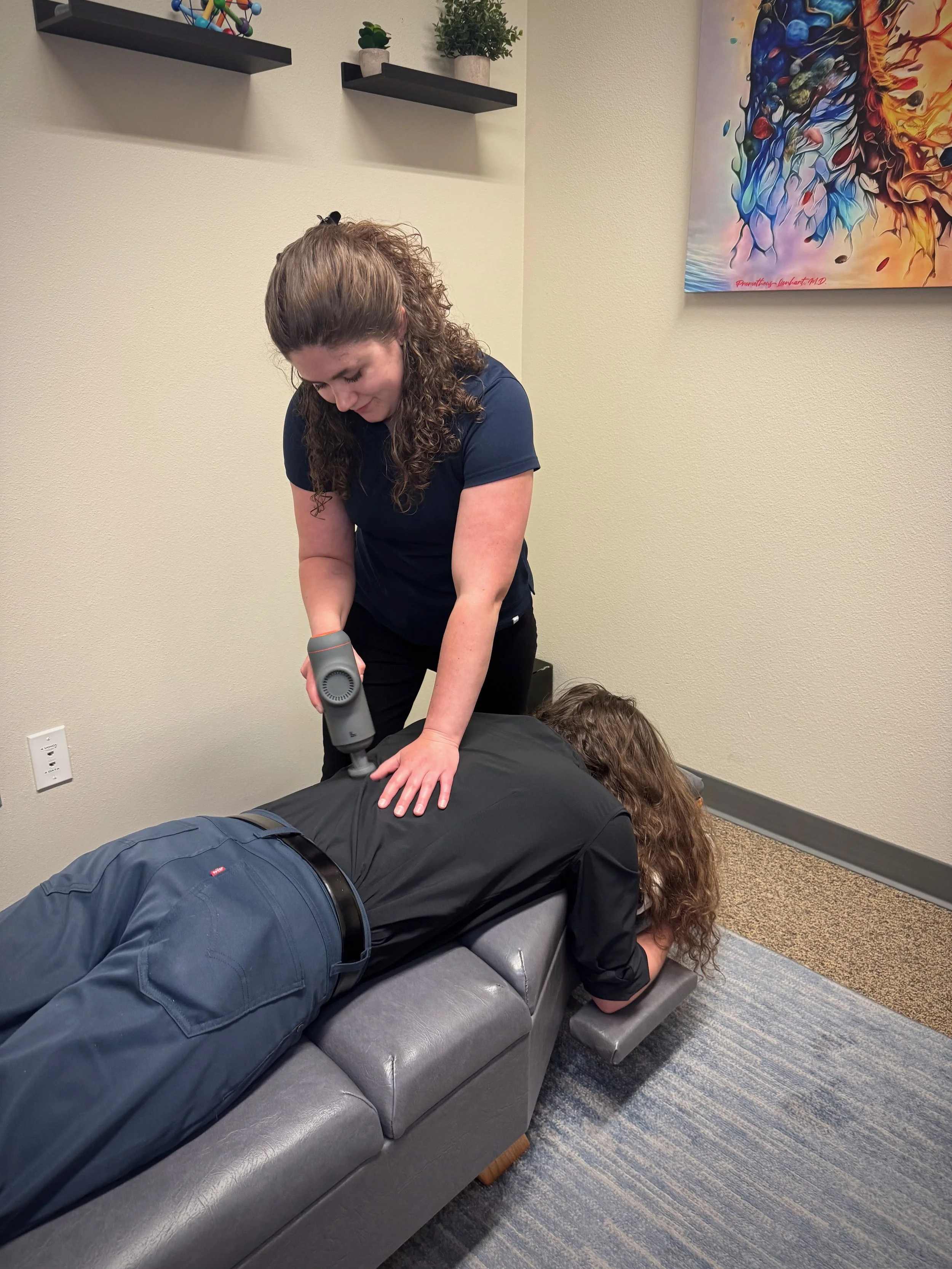
Soft tissue work to relax tense muscles
Personalized home care recommendations (such as stretches and exercises) to support you and your adjustments
Collaborative referral when necessary
Our goal is to understand what may be contributing to your physical discomfort and help support more comfortable movement, improved physical function, and better day-to-day stamina.

Does This Sound Familiar?
You may relate if:
Your body feels physically tired even when you haven’t done much
Pain or discomfort leaves you feeling drained
Your shoulders always feel tense
You clench your jaw without realizing it
Your body feels like it’s “working hard” all day
You wake up already feeling physically tense
Desk work leaves your body feeling heavy and depleted
Stress seems to show up physically in your muscles
You constantly stretch but never feel lasting relief
You feel like your body never fully relaxes
Is This the Right Fit for You?
This approach may be a good fit if you:
Feel physically drained by persistent discomfort
Experience pain that leaves you feeling depleted
Feel like your muscles never fully relax
Notice stress showing up physically in your body
Spend long hours sitting or working at a desk
Are hypermobile and prefer a more thoughtful, stability-aware approach
Prefer gentler chiropractic care
Are sensitive to aggressive treatment approaches
Want a more individualized care experience
Ready to Start Care?
FAQs
Can chiropractic help with fatigue?
Fatigue can have many causes, and in some cases medical evaluation is important. However, if physical fatigue is related to persistent discomfort, posture-related strain, movement dysfunction, or chronic muscle tension, chiropractic evaluation may help identify and address contributing physical patterns.
Why does muscle tension feel so exhausting?
Because fatigue can have many possible contributors, appropriate medical evaluation may be important depending on your symptoms, history, and overall presentation. When indicated, collaborative referral is part of thoughtful care.
What if my fatigue has another medical cause?
Because fatigue can have many possible contributors, appropriate medical evaluation may be important depending on your symptoms, history, and overall presentation. When indicated, collaborative referral is part of thoughtful care.
What can contribute to physical fatigue?
Common physical contributors may include:
Persistent pain or discomfort
Chronic muscle tension
Posture-related strain
Repetitive movements
Prolonged sitting
Reduced movement variety
Stress-related muscle guarding
Hypermobility-related compensation patterns
Disrupted sleep due to discomfort
Movement inefficiency
Because fatigue can have many possible causes, a thoughtful evaluation matters.