

Jaw Tension
& TMJ-Related Discomfort
in Bend, OR
Jaw tension can be surprisingly disruptive, showing up as jaw pain for some, clenching, tightness, clicking, or soreness for others.

Understanding TMJ
TMJ refers to the temporomandibular joint: the joint that connects your jaw to your skull and helps with talking, chewing, yawning, and everyday jaw movement.
When this area becomes irritated or strained, people may experience a variety of symptoms.
Common contributors to jaw pain include:
Clenching or grinding your teeth
Physical stress
Neck or upper shoulder tension
Long hours at a desk or computer
Movement dysfunction in the neck or upper spine
Previous strain or injury
Common Symptom of TMJ
Jaw tightness or pain
Clenching or grinding
Clicking or popping
Discomfort while chewing
Facial tension
Jaw fatigue
Headaches associated with jaw or neck tension
Neck or upper shoulder tightness
Does This Sound Familiar?
You may relate if:
You clench your jaw without realizing it
You wake up feeling tense through your face or jaw
Your jaw feels tired or tight by the end of the day
Stress seems to show up in your jaw, neck, or shoulders
Headaches often come with facial or jaw tension
Your neck and jaw tension seem connected
Your jaw clicks or pops
Chewing sometimes feels uncomfortable
Looking for a Gentle Chiropractor for Jaw Tension in Bend?
For many people, the issue is less about the jaw alone and more about how surrounding muscles, posture, movement habits, and stress-related tension interact.
At Vitality Chiropractic, we take a gentle approach to Jaw Tension & TMJ-Related Care
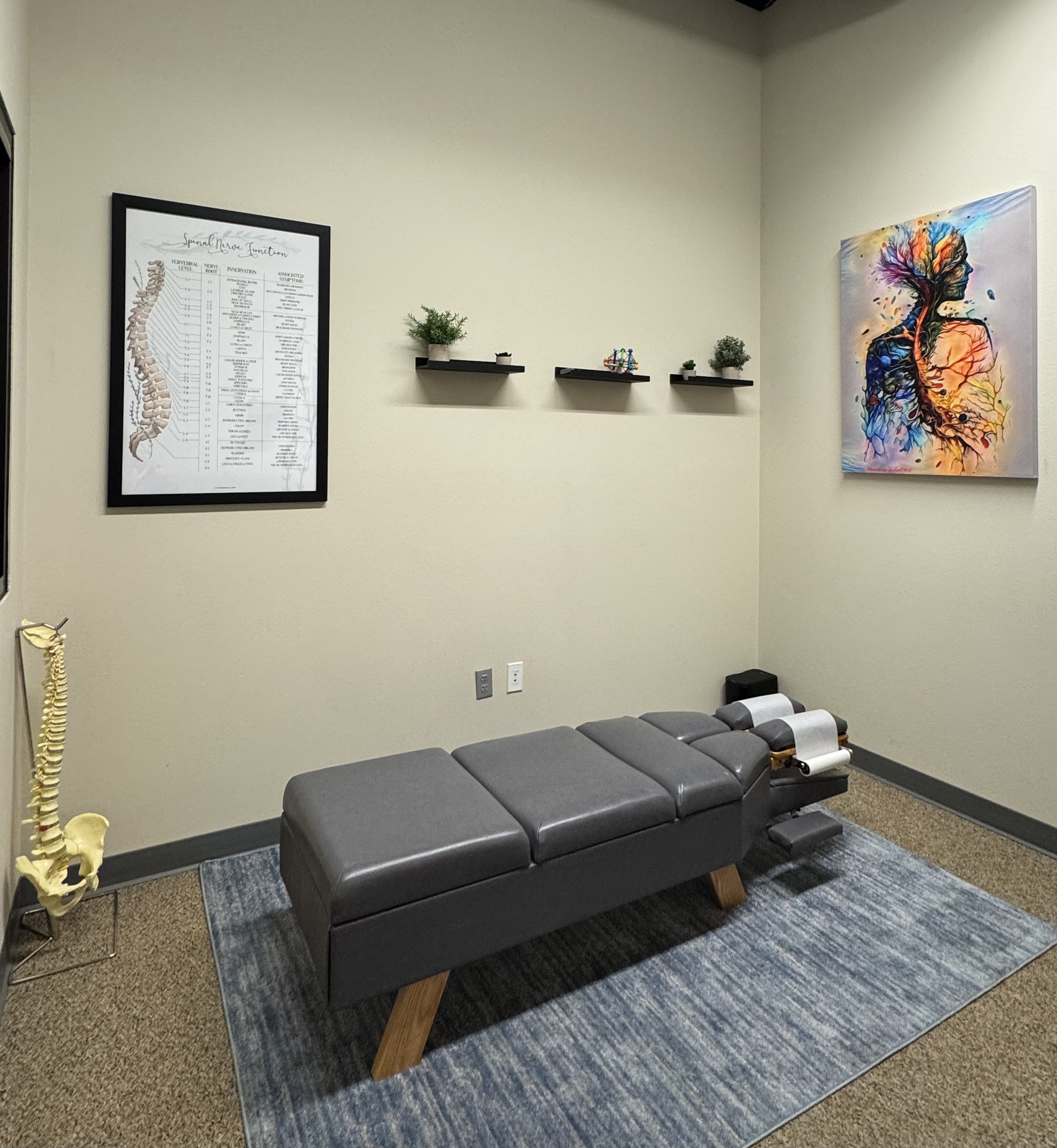
What Can You Do For TMJ Discomfort?
If jaw pain, tension, discomfort, clenching, or connected neck and shoulder tension are affecting your comfort or daily life, you may benefit from a more thoughtful approach.
Care may include:
An evaluation of how your jaw, neck, and upper body are moving and related muscle tension
Gentle, instrument assisted chiropractic adjustments to the TMJ
Soft tissue work to help relax tight muscles, especially those that help move the jaw
Collaborative referral when necessary
Ready to Start Care?
FAQs
Can chiropractic help with TMJ-related discomfort?
Chiropractic evaluation may help identify whether posture-related strain, neck tension, jaw movement patterns, muscle tension, or other physical contributors may be playing a role in your symptoms. A thorough evaluation helps determine whether chiropractic care is appropriate for your specific presentation.
Is jaw clicking always a problem?
Not necessarily. Some people notice clicking or popping without discomfort, while others experience pain, tightness, or movement limitations. Because symptoms vary, a thoughtful evaluation helps determine what may be relevant in your case.
What if I’m sensitive to forceful adjustments?
That concern is more common than you might think—especially among patients whose bodies already feel tense or physically overloaded. If chiropractic care is appropriate, we take a gentle, individualized approach designed around your comfort level, history, and clinical needs.