

Migraines
in Bend, OR
Migraines can be exhausting, disruptive, and deeply frustrating, especially when they interfere with work, movement, sleep, or daily life.
If your migraine episodes overlap with physical tension, posture-related strain, and sensory sensitivity, chiropractic care may be able to help.
What Is a Migraine?
Migraine is a neurological condition that can involve far more than head pain, and presentation varies widely from person to person. Muscle tension and postural strain may play a role for some. Other triggers may be related to hormones, stress, sleep, and diet.
Symptoms may include:
Throbbing or pulsating head pain
Nausea
Light sensitivity
Sound sensitivity
Visual changes
Dizziness
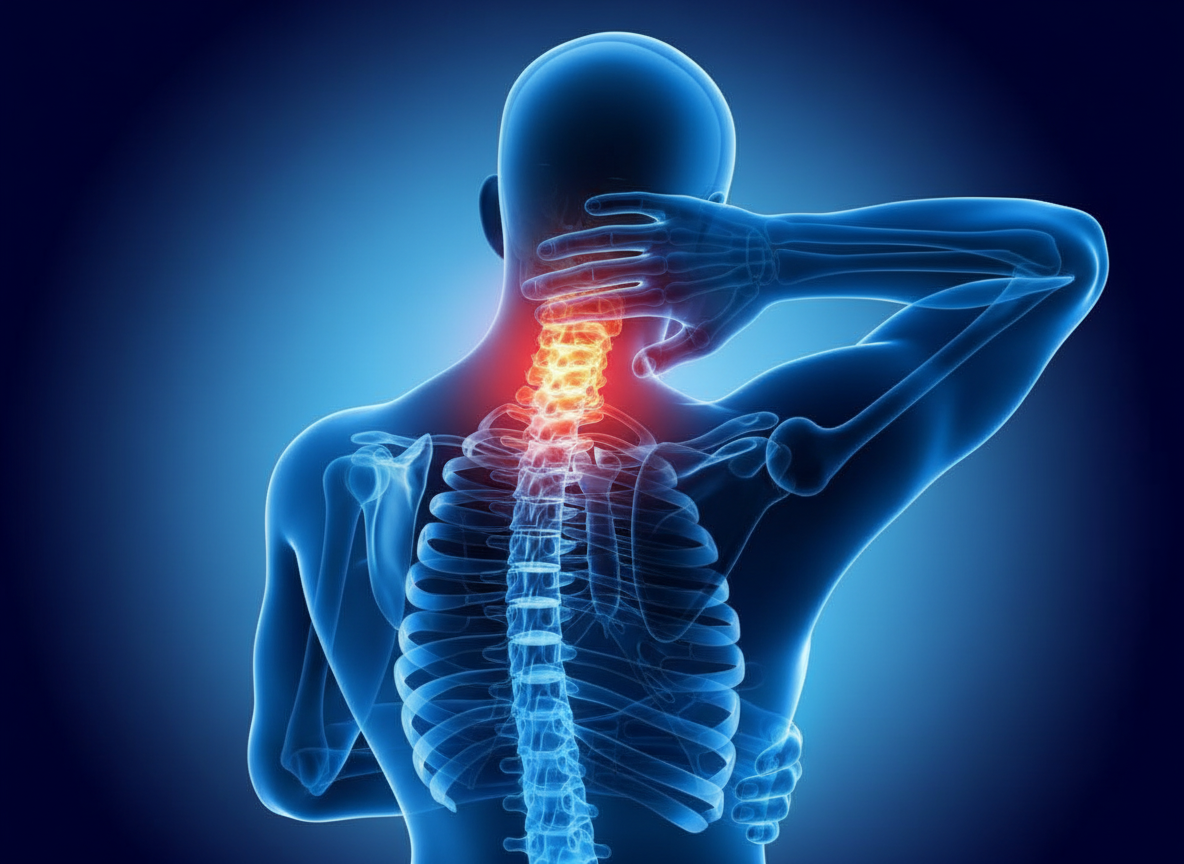
Neck discomfort or stiffness
Increased sensitivity to movement or sensory input
Symptoms that interfere with normal daily activities
Signs Neck Tension or Physical Stress Are Playing A Role:
Migraine episodes often come with neck stiffness
Upper back tightness before or during symptoms
You clench your jaw when you’re stressed
Stress seems to worsen migraine frequency or intensity
Working at a desk or computer aggravates neck discomfort
You feel physically “wound up” before symptoms begin
Your body feels tense even between migraine episodes
This does not mean migraines are “caused by misalignment,” but in some cases, neck tension, posture, and physical stress patterns may be migraine triggers.
A Gentler Approach to Migraine-Related Chiropractic Care
If your body already feels sensitive, overloaded, or easily aggravated, aggressive care may not feel like the right fit.
At Vitality Chiropractic, care may include:
Evaluation of posture, muscle tension, and movement restrictions, especially pertaining to the neck, and upper back
Gentle chiropractic adjustments that always take your comfort level and presentation into account
Craniosacral techniques to help calm the nervous system
Soft tissue work to to help relax tight muscles, especially those in the neck
Personalized home care recommendations (such as stretches and exercises) to support you and your adjustments
Collaborative referral when appropriate

You may be in the right place if…
You're looking for
Gentle, low-force adjustments
Support for muscle tension and postural strain-related migraine triggers
Posture & ergonomic guidance
Nervous-system-aware care
A more personalized experience
You might be
Sensory sensitivity and looking for less chaotic, one-on-one care
Sensitive to forceful treatment approaches
Carrying chronic tension patterns
Hypermobile and struggling with related tension, especially in the neck and upper back
Ready to Start Care?
FAQs
For some people, chiropractic evaluation may help identify and address musculoskeletal migraine triggers such as neck tension, jaw clenching, posture-related strain, and restricted movement. Because migraines are complex and multifactorial, care should always be individualized.
Can chiropractic help with migraines?
Are migraines just caused by neck tension?
No. Migraine is a neurological condition with many possible contributing factors and triggers. However, some individuals experience overlapping neck tension, postural strain, jaw clenching, or restricted movement that may be relevant to their migraines.
What if I’m sensitive to forceful neck adjustments?
That concern is incredibly common, especially among patients whose neck already feels tense, sensitive, or easily aggravated. If chiropractic care is appropriate, we take a gentle, individualized approach designed around your comfort level and clinical needs.