

Shoulder & Upper Back Tension
in Bend, OR
Do your shoulders always feel tight, even after stretching?
Does your upper back feel stiff after a workday, long drive, or stressful week? Maybe your shoulders seem to live near your ears, your upper traps are constantly working overtime, or your body feels physically “braced” without you realizing it.
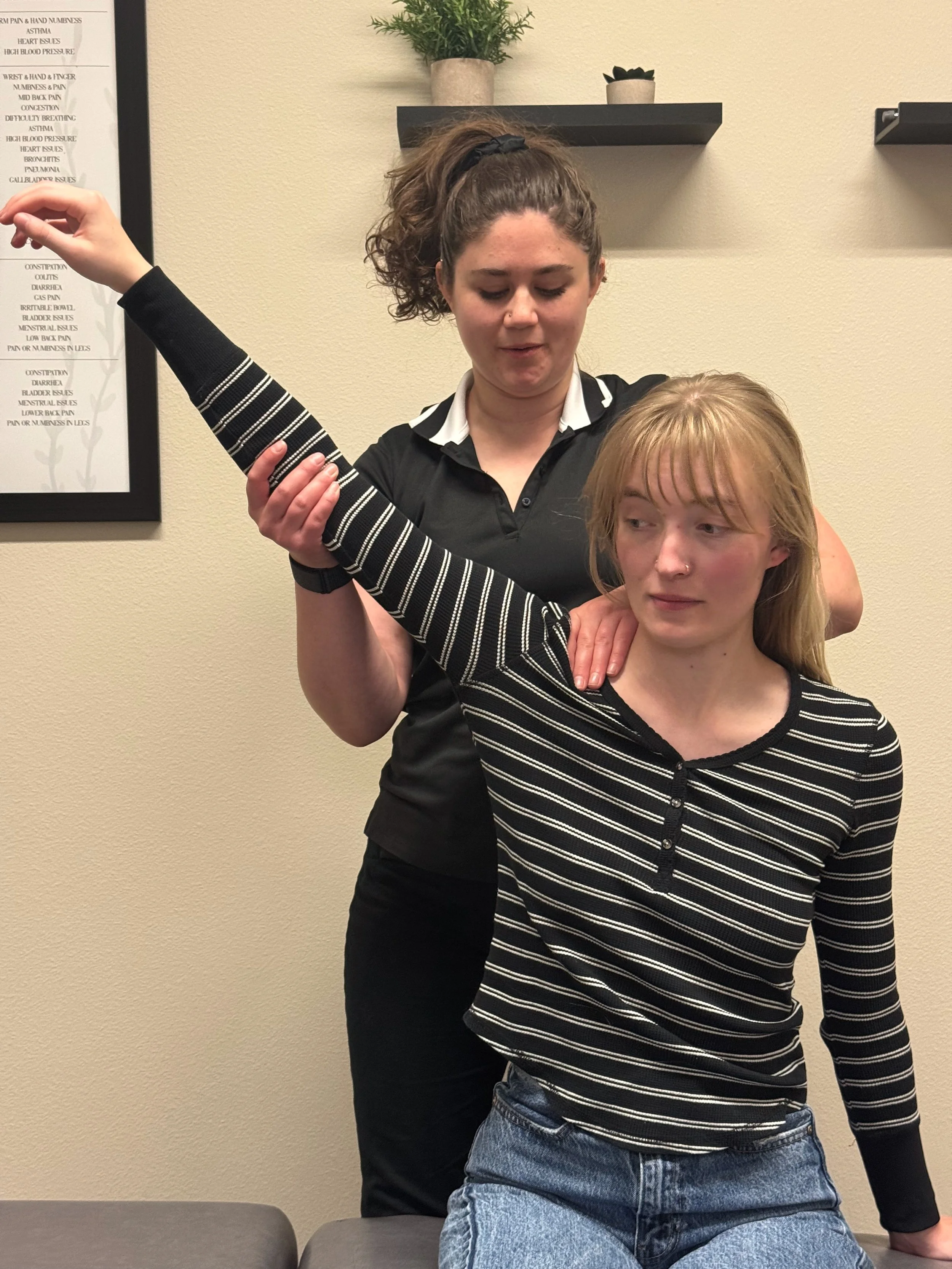
What Causes Shoulder & Upper Back Tension?
Shoulder and upper back tension often build gradually rather than appearing from a single event.
Common contributors include:
Prolonged desk or computer work
Forward head posture
Stress-related muscle guarding
Repetitive work or overuse
Upper trap overcompensation
Jaw clenching
Shallow breathing patterns
Poor ergonomic setup
Hypermobility-related compensation patterns
Carrying stress physically in the body
For many people, the issue is not simply “tight muscles.” The body may be maintaining protective tension in response to stress, posture habits, movement compensation, or repeated strain.
Common Signs of Protective Tension
Shoulders that always feel tight or elevated
Constantly stretching but still feeling tight
Discomfort between the shoulder blades
Posture fatigue by the end of the day
Tension that worsens during stressful periods
Shallow breathing or chest tightness from tension
Feeling physically “wound up”
Soreness from desk work or repetitive movement
A Gentler Approach to Shoulder & Upper Back Tension
If your body already feels physically overloaded, forceful care may not feel like the right fit. At Vitality Chiropractic, care is tailored to your individual presentation. may include:
Evaluation of posture, muscle tension, and movement restrictions, especially those relating to your upper back
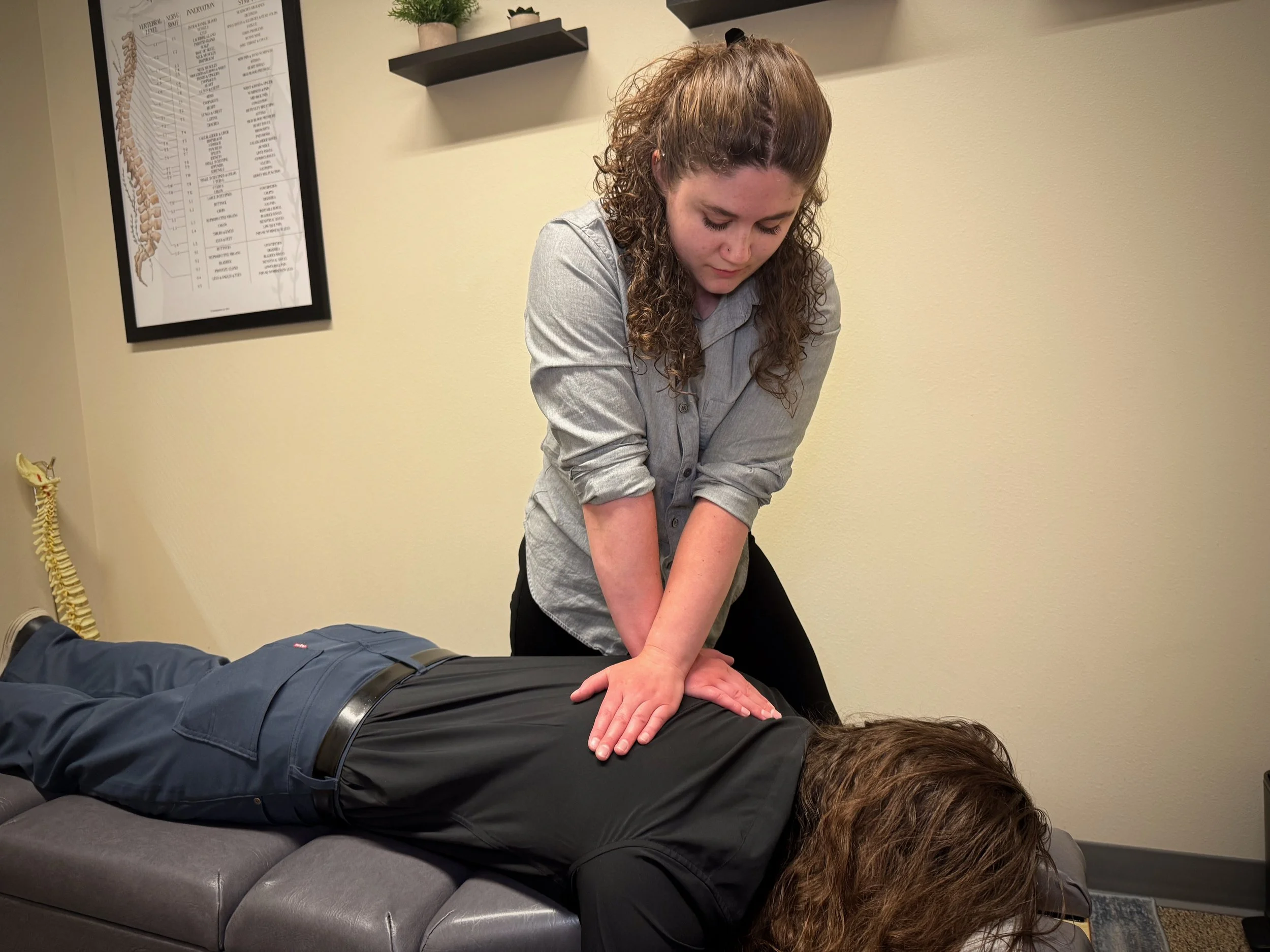
Gentle chiropractic care that always takes your comfort level and presentation into consideration
Soft tissue work to relax tense muscles, especially those in the upper back and shoulders
Personalized home care recommendations (such as stretches and exercises) to support you and your adjustments
Collaborative referral when necessary
You may be in the right place if…
You’re looking for
Support for upper back and shoulder pain
Gentle, low-force adjustments
Posture & ergonomic guidance
Nervous-system-aware care
A more personalized experience
You might be
Sensory sensitivity and looking for less chaotic, one-on-one care
Sensitive to forceful treatment approaches
Spending long hours at a desk
Physically “braced” or “wound up”
Carrying chronic tension patterns
Hypermobile and struggling with related tension
Ready to Start Care?
FAQs
Can chiropractic help with shoulder and upper back tension?
Chiropractic care may be appropriate for certain types of musculoskeletal shoulder and upper back discomfort, depending on the cause, symptoms, and your health history. A thorough evaluation helps determine whether care is appropriate for you.
Why do my shoulders always feel tight even when I stretch?
Persistent tension is not always caused by a lack of flexibility. In some cases, muscles remain tense as a protective response to stress, posture habits, movement compensation, or repetitive strain. That’s why lasting improvement often involves looking beyond stretching alone.
What if I’m sensitive to forceful adjustments?
That’s something we hear often—especially from patients whose bodies already feel tense, reactive, or physically overloaded. Our approach emphasizes thoughtful assessment and gentle, individualized care rather than a one-size-fits-all treatment style.